Apprentice Program
Your Next Chapter is Hands-On
Eastern’s Apprentice Program is here to provide you with a new skill set, a career path, and a team invested in your future. This paid, two-year program combines classroom learning with thousands of hours of hands-on field experience, all while working alongside experienced professionals.
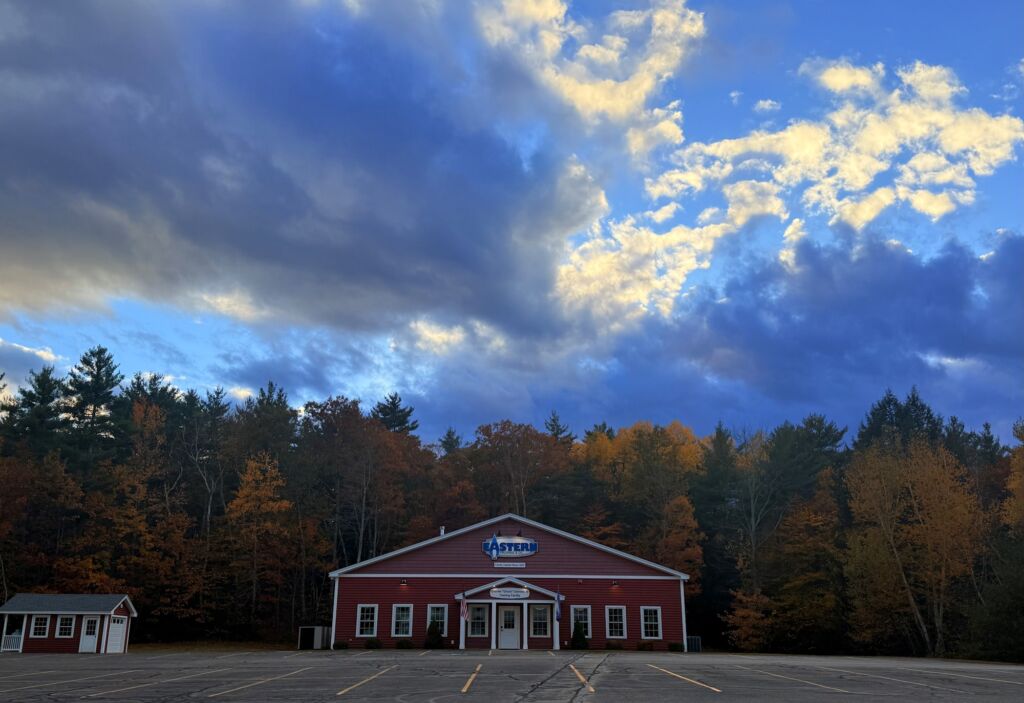
From our state-of-the-art Training Center in Rochester, NH, to real-world experience in the field, you’ll develop the skills to work with both oil and propane heating systems and prepare for a career at Eastern.
PROGRAM OVERVIEW
Apprentices are initially assigned to a specific district, with opportunities to transfer to other districts. Over two years, they’ll spend roughly 450 hours in the classroom with our Technical Trainers and other training staff, plus approximately 3,700 hours putting their skills to work in the field alongside a mentor.
Training consists of:
- Company specific policy and procedures
- Propane Education and Resource Council (PERC) Certified Employee Training Program (CETP) curriculum and subsequent PERC Education Program (PEP)
- National Oilheat Research Alliance (NORA) Technician Certification Program
- Occupational Safety & Health Administration (OSHA) training
- Department of Transportation (DOT) training
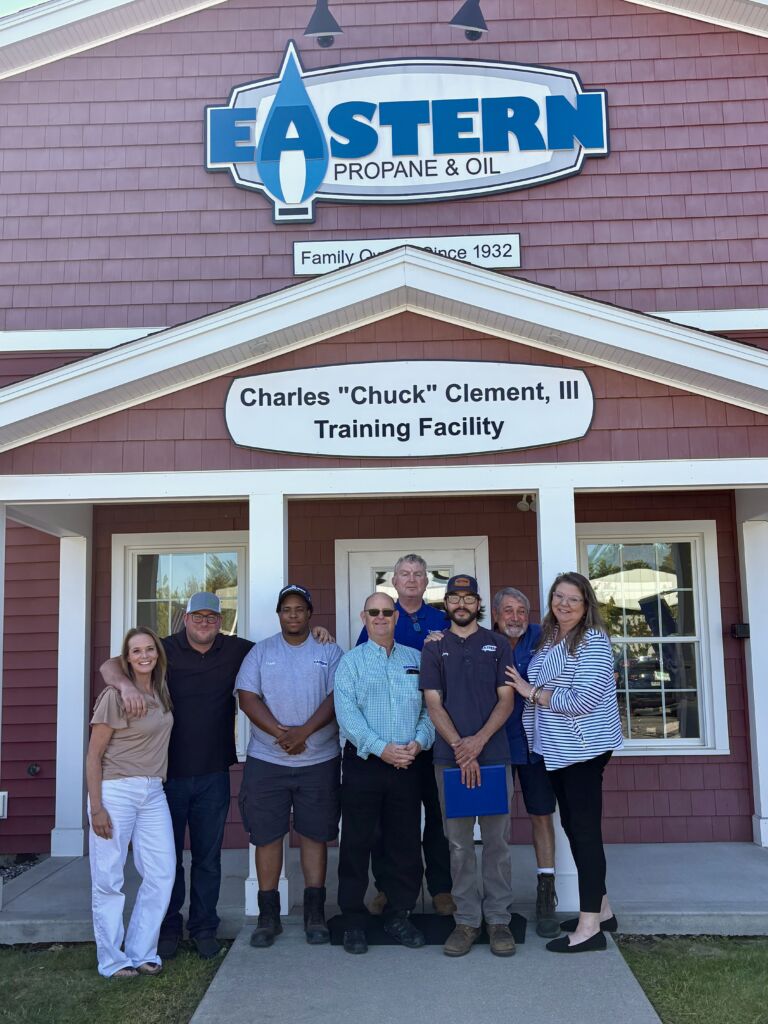
Graduating Class of 2026
Breakdown
Apprentices are generally hired before the start of the program to familiarize themselves with Eastern and the industry. They will spend their first day of training in an orientation session in the Rochester Training Facility to learn more about what to expect as training progresses. The orientation will include the following topics –
- Meet the Technical Trainers and training department
- Review of program components, goals, and objectives
- Tour of the training facility
Year 1
During the first year in the program, apprentices will spend about 256 hours in the Rochester Training Facility working with our Technical Trainers. Apprentice training commences in October and runs through March.
Other one-on-one and identified classroom training will occur throughout the regular training season with other service and installation technicians. Training in customer service skills will be imbedded throughout the first year so apprentices can learn how to effectively interact with current and potential customers.
Year 2
As apprentices progress to the second year of training, they will spend about 200 hours at the Rochester Training Facility working with our Technical Trainers. Year two training will commence in October and run throughout the training season, culminating with a fall graduation.
Field Experience
Apprentices will spend roughly 3,700 hours in their district for the field component of programming. Most of the apprentice’s time should be spent with their mentor to complete appliance installations, storage tank installations, gas and oil piping installations, and service calls. However, apprentices should also spend time working in the bulk plant, where they will experience propane container maintenance and evacuations, work with a crane truck operator, and a delivery driver. By the end of the second year, apprentices are expected to obtain their Class “B” Commercial Driver’s License (CDL-B) with Hazmat Endorsement, primarily for the purpose of ensuring the capability to operate a crane and set tanks. Apprentices may choose voluntarily to also obtain their Tank Endorsement (N), to further expand their skill set and qualifications, and receive a corresponding increase to their pay rate.
On Call
During each year in the program, apprentices are also expected to double up with an on-call service technician to learn how the on-call system works. On-call scheduling will be coordinated in advance, and attempts will be made to partner apprentices and service technicians that live close to one another or otherwise plan to optimize operational efficiencies. Apprentices will be required to be on-call with another fully licensed service technician for a minimum of seven days per calendar year (between October 1 and April 1) and experience a minimum of five calls. This will total a minimum of 14 days of on-call and a minimum of 10 calls during the two-year program.
Apprentices are generally hired before the start of the program to familiarize themselves with Eastern and the industry. They will spend their first day of training in an orientation session in the Rochester Training Facility to learn more about what to expect as training progresses. The orientation will include the following topics –
- Meet the Technical Trainers and training department
- Review of program components, goals, and objectives
- Tour of the training facility
Year 1
During the first year in the program, apprentices will spend about 256 hours in the Rochester Training Facility working with our Technical Trainers. Apprentice training commences in October and runs through March.
Other one-on-one and identified classroom training will occur throughout the regular training season with other service and installation technicians. Training in customer service skills will be imbedded throughout the first year so apprentices can learn how to effectively interact with current and potential customers.
Year 2
As apprentices progress to the second year of training, they will spend about 200 hours at the Rochester Training Facility working with our Technical Trainers. Year two training will commence in October and run throughout the training season, culminating with a fall graduation.
Field Experience
Apprentices will spend roughly 3,700 hours in their district for the field component of programming. Most of the apprentice’s time should be spent with their mentor to complete appliance installations, storage tank installations, gas and oil piping installations, and service calls. However, apprentices should also spend time working in the bulk plant, where they will experience propane container maintenance and evacuations, work with a crane truck operator, and a delivery driver. By the end of the second year, apprentices are expected to obtain their Class “B” Commercial Driver’s License (CDL-B) with Hazmat Endorsement, primarily for the purpose of ensuring the capability to operate a crane and set tanks. Apprentices may choose voluntarily to also obtain their Tank Endorsement (N), to further expand their skill set and qualifications, and receive a corresponding increase to their pay rate.
On Call
During each year in the program, apprentices are also expected to double up with an on-call service technician to learn how the on-call system works. On-call scheduling will be coordinated in advance, and attempts will be made to partner apprentices and service technicians that live close to one another or otherwise plan to optimize operational efficiencies. Apprentices will be required to be on-call with another fully licensed service technician for a minimum of seven days per calendar year (between October 1 and April 1) and experience a minimum of five calls. This will total a minimum of 14 days of on-call and a minimum of 10 calls during the two-year program.
Mike Breton
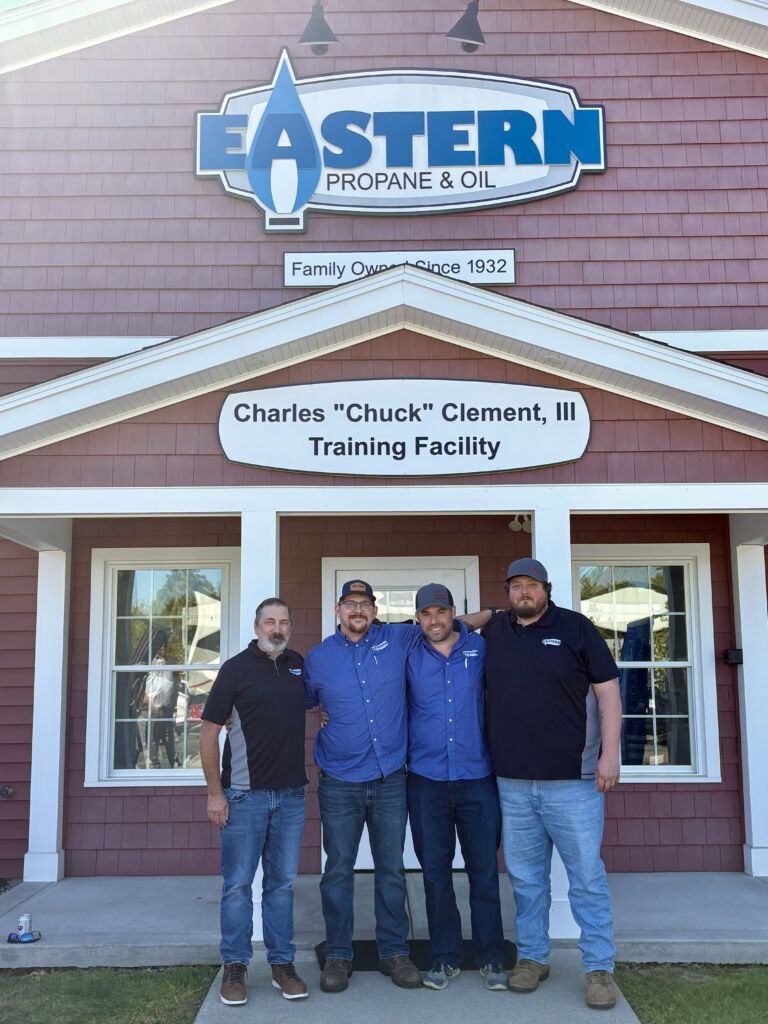
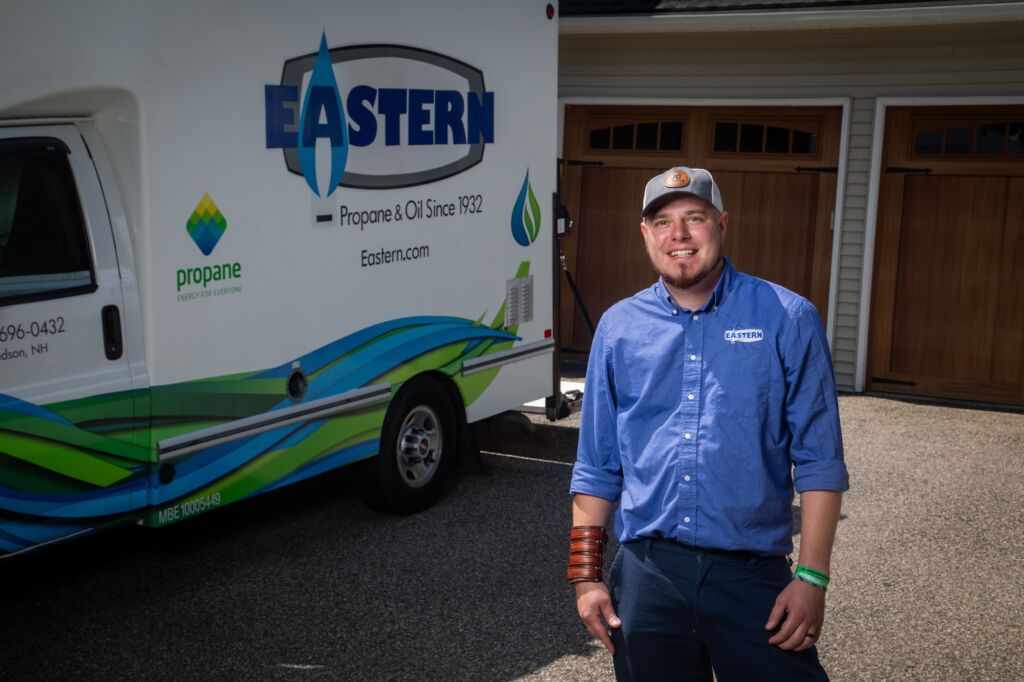
Meet Mike! Mike joined Eastern in February 2017 as a Service and Installation Technician, working in the Rochester and Springvale districts through 2023. During that time, he was a mentor for the Apprentice Program and served on Eastern’s Emergency Responder team before joining the Training Department as a Technical Trainer. With more than 22 years of experience in the HVAC and fuel industries, Mike enjoys sharing his knowledge, watching students grow into skilled technicians, and giving back to an industry that has been good to him and his family. Outside of work, Mike enjoys skiing with family, playing golf, hunting, fishing, and riding ATVs.

Ryan Klopfenstein
Meet Ryan! Ryan joined Eastern as a Service Technician in the Loudon office in July 2004. After working in three different districts, he transitioned to the Training Department as a Technical Trainer in February 2022. Outside of work, Ryan enjoys spending time with his family, hiking, hunting, and fishing. He’s also an avid welder who enjoys creating all kinds of things.

Technical Evaluations
Biannually
Apprentices will be formally evaluated every six months, for a total of four evaluations over the course of the two-year program.
Weekly
Ongoing evaluations should take place in each apprentice’s district using a weekly checklist.
On-going Evaluation
The Technical Trainers will meet with each supervisor to share informal evaluations, make recommendations for prioritized field experience, and highlight remaining program requirements. These meetings will take place in late December/early January of the first and second year of formal classroom training.
Performance, Licensing, and Compensation
Apprentices are not expected to become fully licensed and work independently until after completing CETP 4.6, regardless of potentially different state requirements. Apprentices are entitled to increases in compensation at various stages of the apprentice program, including upon achieving different milestones as reflected in these materials.
Apprentices are subject to ongoing active performance management coaching from their manager and may receive additional performance management feedback from the Safety & Risk Department. Managers are encouraged to provide regular feedback to Apprentices relating to their day-to-day performance in the field and will coordinate 1-2 formal performance reviews during each year of the Apprentice Program.
For More Information, Fill Out the Form!
Choose Eastern
Choose Eastern and Join Our Family Today
As one of the largest family-owned and operated energy providers in New England, we are committed to being reliable, responsive, safe, and convenient to all our customers. We’re in your neighborhood.